How Yongin Went From Farmland to New Town
Hey, I'm Yongi. I've got a pretty surprising story for you today. These days, when people hear 'Yongin,' they picture new-town apartment complexes right next to Pangyo, a subway ride away from Seoul, with big supermarkets and hagwon streets covering just about everything you'd need. But honestly, Yongin wasn't always like this. Believe it or not, until not that long ago, Yongin was a quiet farming town on the outskirts of Seoul. And I don't just mean quiet — the whole area was reportedly covered in rice paddies and fields. So today, let me walk you through, as best as I know it, the story of how that farmland town turned into the lively new town it is now.
Yongin used to be just a quiet countryside
Even people living in Yongin today are often surprised when they hear this. Yongin used to be a quiet farming area on the outskirts of Seoul, covered in wide stretches of rice paddies and fields, as the story goes. High-rise apartments, big commercial buildings, subway stations — those were hard to even imagine back then. Even though it wasn't that far from Seoul, development apparently hadn't reached it much, and because of that the landscape of farmland and low hills managed to stick around for a long time. Foot traffic was probably rare, with narrow farm paths instead of big roads. It's really a different picture from the bustling Yongin we know now. Once you know this background, doesn't today's new-town scenery feel even more surprising?
Suji, Jukjeon, Giheung... farmland turned into a new town
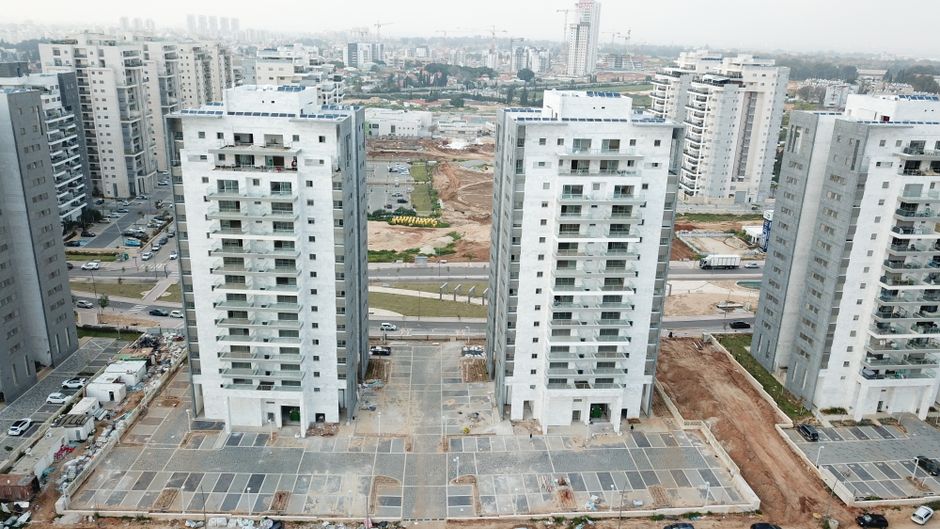
Then, sometime between the 1990s and 2000s, a huge change came to Yongin. Large-scale residential development projects were carried out centered around areas like Suji, Jukjeon, and Giheung. During this period, apartment complexes reportedly started popping up one after another where rice paddies used to be, new roads were built, and schools and shops followed — completely transforming the town's landscape. In what was a relatively short span of time, Yongin basically put on a whole new face, like changing into different clothes. If you laid an old map of the area next to a current one, you'd probably have a hard time believing it's the same place.
As these large-scale developments took shape, naturally, a lot of people flocked in. Being close to Seoul while also having brand-new apartments going up must have been really appealing to many people back then, whether they were tired of Seoul living or just looking for a new home. And once one district got established, development seemed to spread outward from there, one project leading to the next.
Rice paddies used to be right here — and before I knew it, apartment towers were lined up in their place.
— 🐉 YongiYongin's population — and its standing — changed completely
As a result, Yongin's population is said to have grown a lot during this period. Amid this trend, I hear Yongin grew into one of the higher-population cities among basic municipalities nationwide.
I'll be careful not to pin down the exact numbers or the exact ranking, since those details aren't certain — but one thing's for sure: the city grew far too big to be explained by its old, quiet farming-town image anymore. Former farmland turned into massive apartment complexes, and people poured in on top of that, so the city's whole standing got rewritten. Anyone who remembers the old, quiet Yongin might find today's version even stranger.
Isn't that a pretty dramatic change? A quiet farming village on the outskirts of Seoul transformed, in the span of just a few decades, into a city with one of the higher populations nationwide. Every time I hear this story, it makes me think Yongin is a pretty remarkable place.
Traces of that past, in today's Yongin
But if you trace it back carefully, there's something interesting here. Yongin has a much stronger new-town image now, but if you follow its roots, it's a town that started out as a quiet farming village. The stillness of back then and the energy of now are layered together in one place, and I think that's one of Yongin's real charms. It might look like a flashy new town on the surface, but underneath, the story of its rice-paddy days is still quietly flowing through it. So I don't want to describe Yongin with just the word 'new town.' From farmland town to new town — I believe you have to know the time in between to really understand the real Yongin. Whenever someone asks me what kind of place Yongin is, this is the story I always want to bring up first: a town that went through this huge change, from a quiet countryside to a lively new town, all on its own.
YONGI's Tip · If you're curious what Yongin's farmland scenery used to look like, it's worth looking into local records or the stories of longtime residents who remember the area before the Suji and Jukjeon developments.