Yangji Hyanggyo: An Order of Learning and Ritual Carved Into a Sloped Hill
an order carved into one hillside
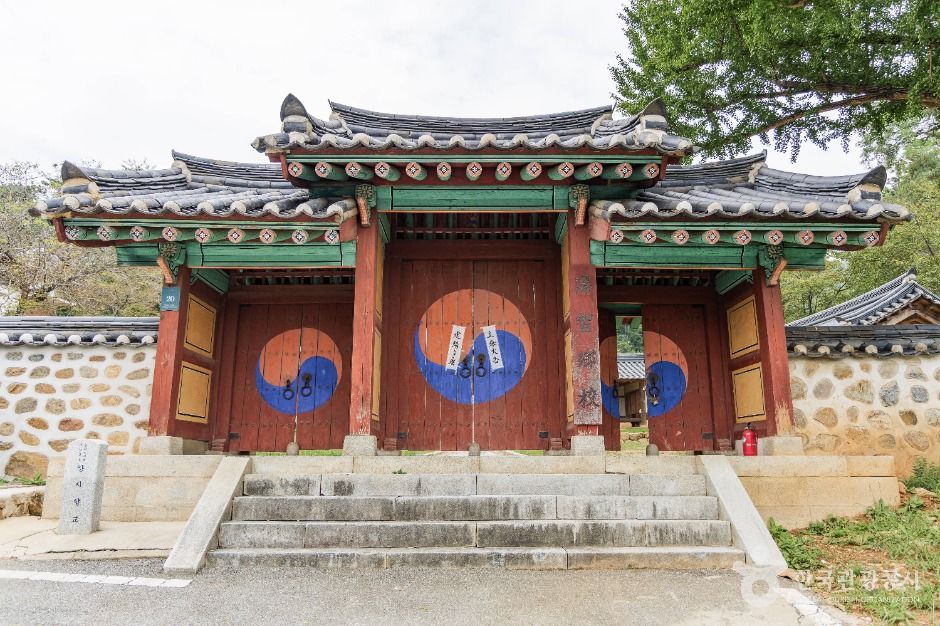
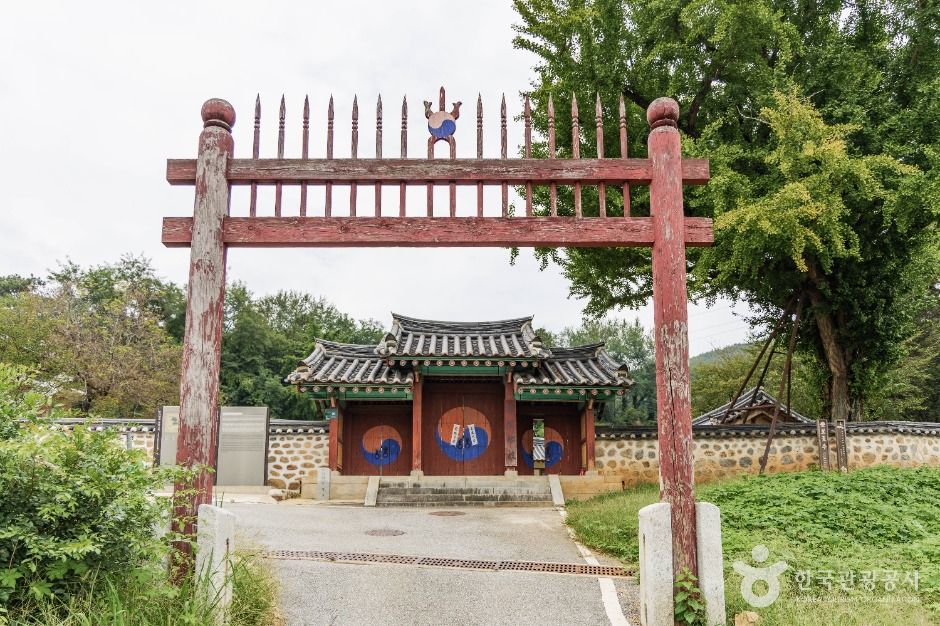
There's a Confucian school in Yangji-myeon, Cheoin-gu, Yongin that has quietly kept its place. It's called Yangji Hyanggyo, and it's said to have first been built in 1523, the 18th year of King Jungjong's reign. That's nearly 500 years ago from now, quite a long story. It's not decorated flashily like a major tourist site, but the simple fact that a building enduring that much time is still standing right there today is reason enough to stop by at least once.
Nearly 500 Years, Kept Alive Through Repeated Repairs
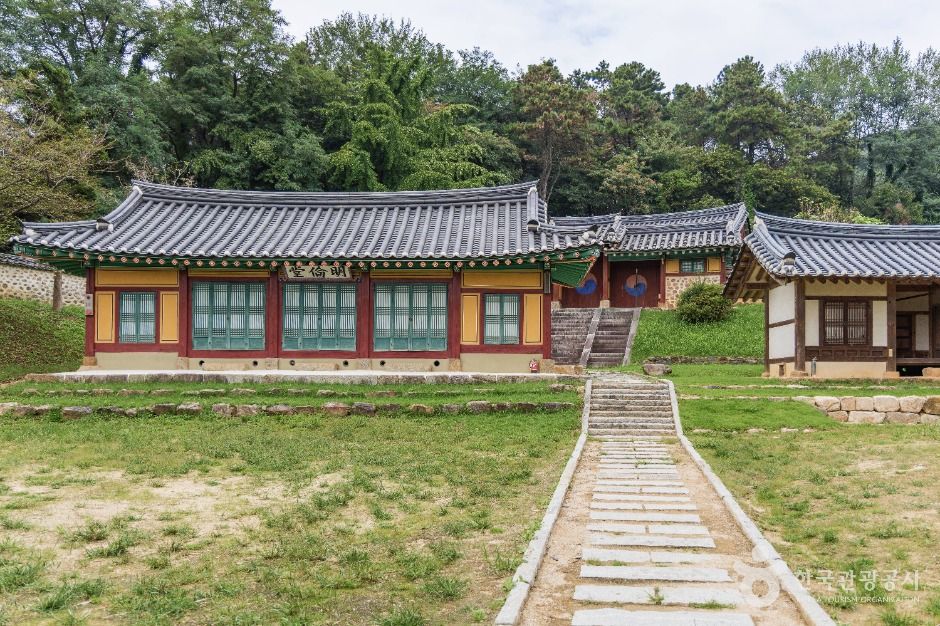
Since it was first built, Yangji Hyanggyo has never been left untouched. In 1697, the 23rd year of King Sukjong, the Daeseongjeon (main shrine hall) was repaired, and in 1792, the 16th year of King Jeongjo, the Myeongnyundang (lecture hall) was newly rebuilt. It was worked on again in 1927 and 1967, the Myeongnyundang was restored in 1971, and it was repaired again in both 1981 and 1986. One generation would make repairs, and the next would pick up where they left off and repair it again — and that's how, generation after generation, it came to look the way it does today.
Learning Below, Ritual Above — the Jeonhakhumyo Layout
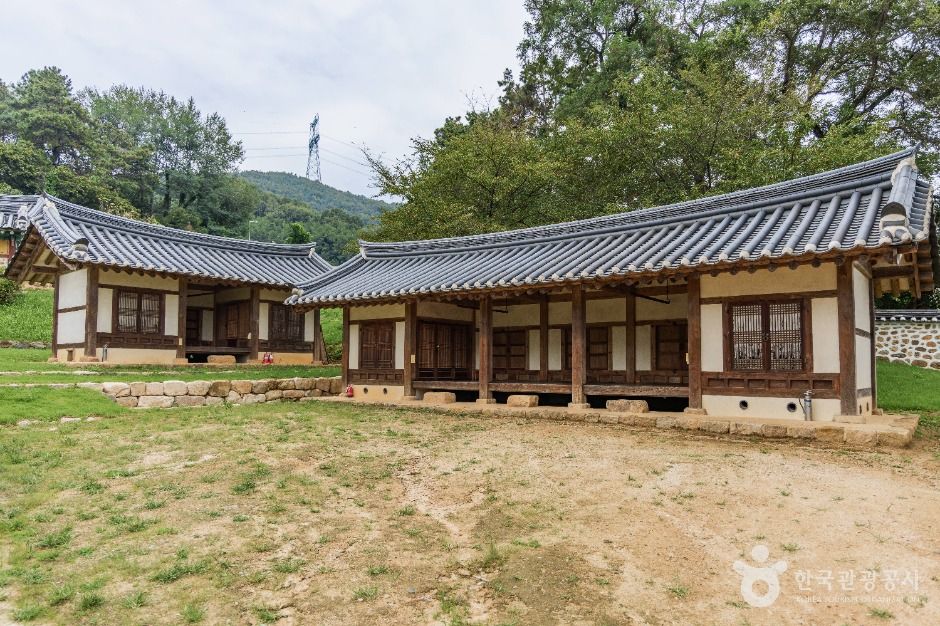
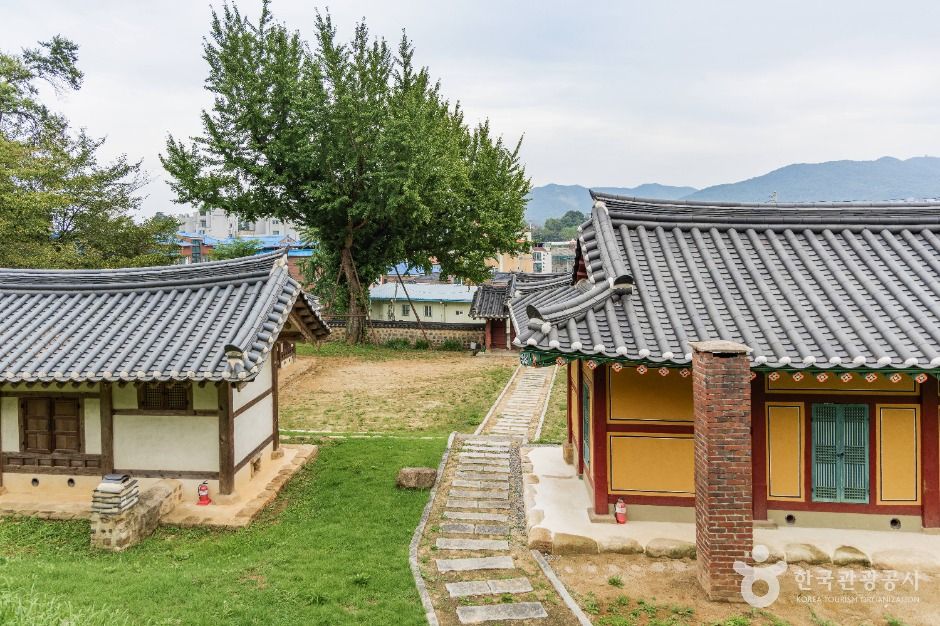
Look around Yangji Hyanggyo and one thing stands out. The land slopes, and the buildings were arranged to follow that slope exactly. On the lower ground sits the Myeongnyundang, where students once studied, and on the higher ground sits the Daeseongjeon, where rites are held. Placing the space for learning on the lower, front ground and the space for ritual on the higher, rear ground is called the jeonhakhumyo layout, and Yangji Hyanggyo is said to be a good example of this form. Having only these two buildings, the Myeongnyundang and the Daeseongjeon, is also notable — rather than a large, elaborate hyanggyo with many buildings, it preserves the form of a small-scale hyanggyo built in the late Joseon period.
Learning placed low, propriety placed high — even on a single sloped hillside, you can feel the mindset of the ancestors who carved in an order.
— 🐉 YongiInside the Daeseongjeon, the spirit tablets of the Five Sages honoring Confucius, the Two Song-Dynasty Sages, and Korea's own Eighteen Sages are all enshrined together — the teachings of the scholars who shaped Confucianism, gathered in one place. Every year on August 27th, a seokjeonje memorial rite honoring them is still held here today. It's not just the buildings that remain; the rituals carried out inside them are still alive as well.
Getting There and How Long to Spend
The address is 20 Hyanggyo-ro 13beon-gil, Yangji-myeon, Cheoin-gu, Yongin-si, Gyeonggi-do, and it's open from 9 a.m. to 3 p.m. It's closed every Saturday and Sunday, as well as on public holidays, so I'd recommend visiting on a weekday morning when you can take your time. It's not a large site, so even taking your time through the Myeongnyundang and Daeseongjeon should take about 30 minutes.
YONGI's Tip · The opening hours are relatively short, running only from 9 a.m. to 3 p.m., so if you arrive late in the afternoon the gate may already be closed. It's closed on Saturdays, Sundays, and public holidays, so I'd recommend planning your visit for a weekday morning.